James Hardie Junior ADU Conversion: The Pasadena Owner’s Guide
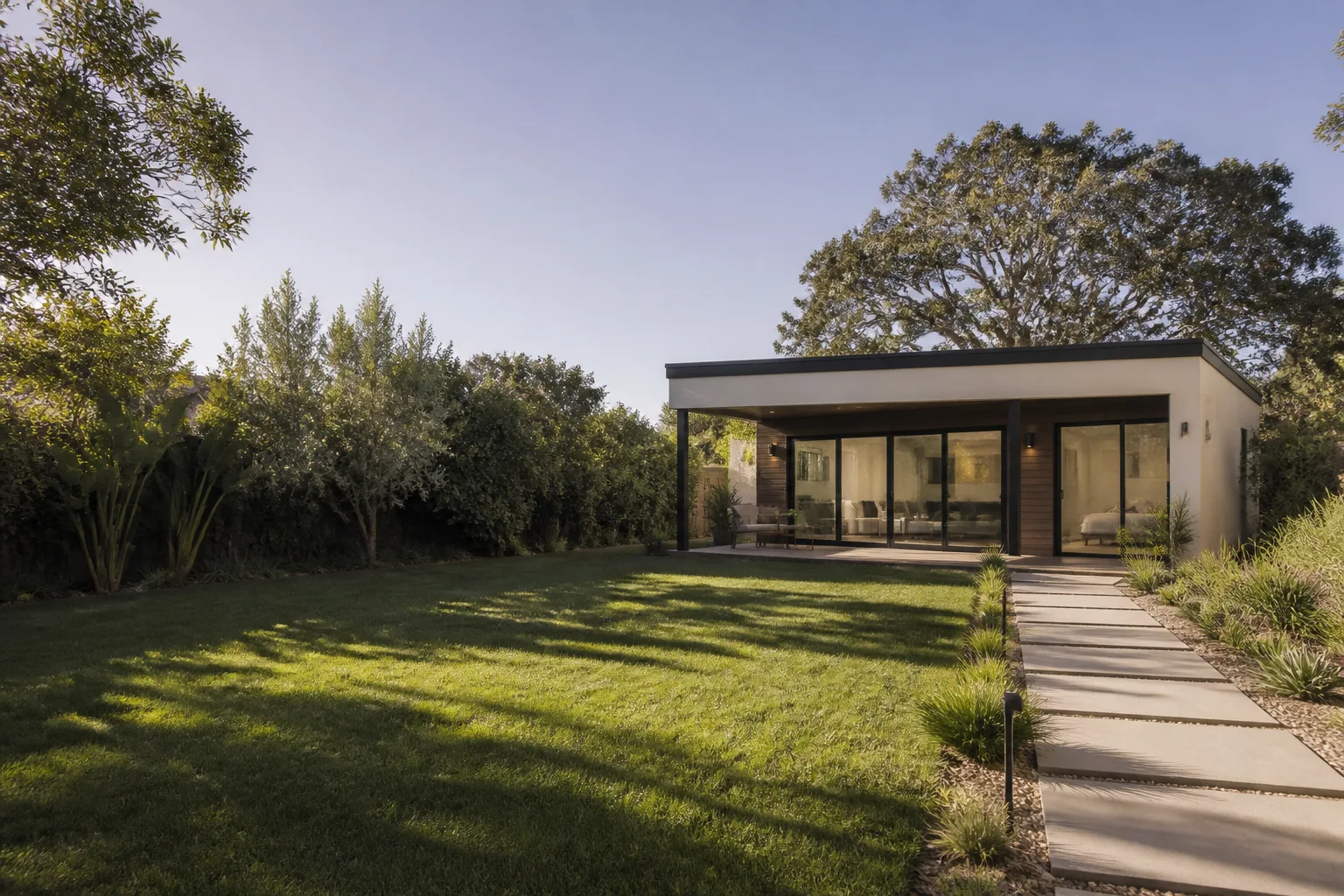
If you have a James Hardie-sided structure on your Pasadena lot and you’re planning a junior ADU conversion, the work almost always starts with siding assessment and reframing, not demolition. A junior ADU conversion in Pasadena typically runs $90,000 to $160,000 when HardiePlank lap siding or HardiePanel vertical siding is involved, because matching existing James Hardie profiles cleanly is precise work that affects both permit approval and how the finished conversion looks against the main house. Most Pasadena owners discover this project is necessary when a garage or underused room stops meeting their family’s needs – a parent moves in, a teenager needs space, or rent from the main house would help cover the mortgage. The James Hardie part of the equation usually surfaces once measurements reveal the existing siding won’t simply “patch in” around new windows, doors, or a bumped-out wall.
Which James Hardie Models This Applies To
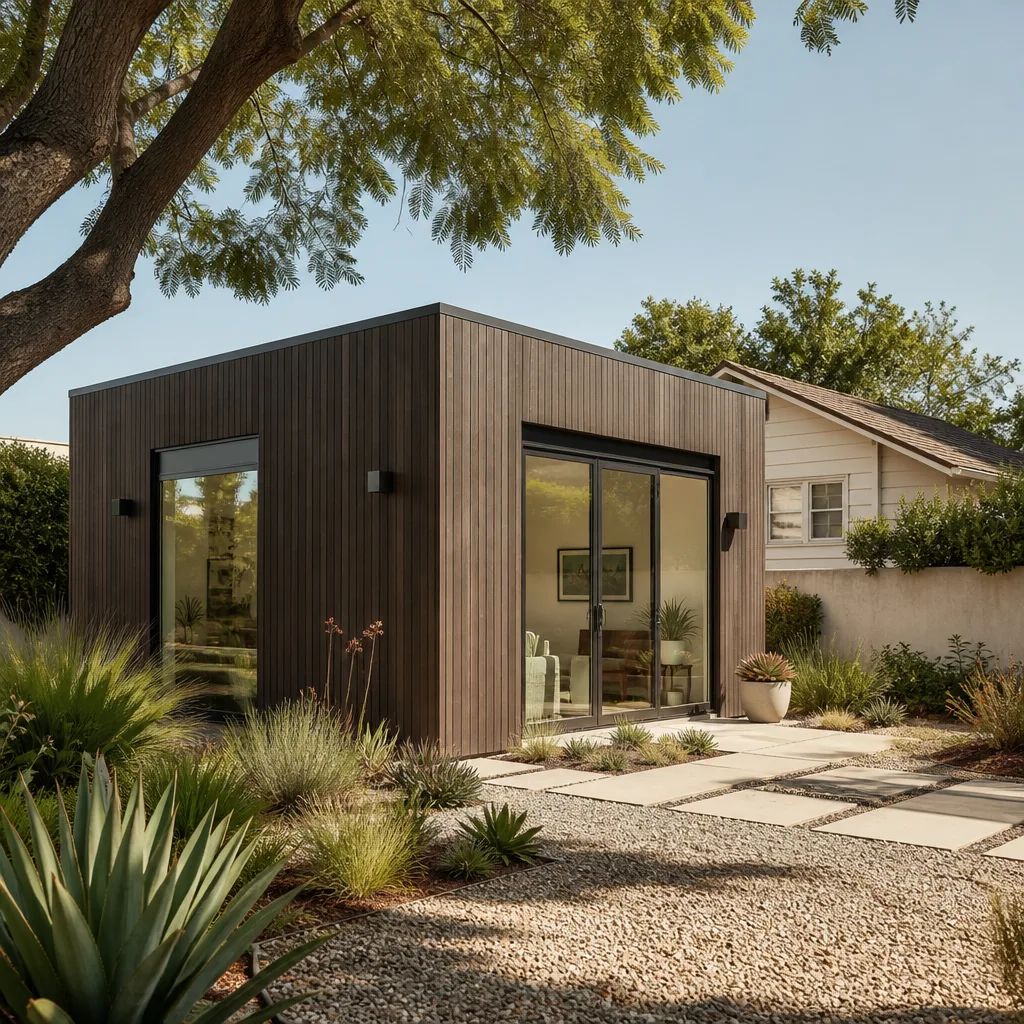
Junior ADU conversions in Pasadena almost always involve one of four James Hardie siding profiles: HardiePlank lap siding (5.25-inch exposure is the most common match on 1920s-1950s homes in Bungalow Heaven and Normandy Heights), HardiePanel vertical siding (4’x8′ sheets, typically smooth or stucco finish), HardieShingle (seen on some Craftsman-style garages), or HardieSoffit (when extending rooflines over a new entry or bump-out). The compatibility gotcha we see on Pasadena lots: pre-2000 James Hardie lap siding used a 6-inch exposure, while post-2000 product shifted to 5.25-inch. If your existing siding shows 6 inches of reveal, you’ll need custom ripping or full-face replacement rather than a simple patch. The only reliable way to identify your profile is to measure the visible lap height at three separate wall locations and check for a barcode printed on the back of any loose board.
For OEM versus aftermarket: we use James Hardie color-matched trim and primed siding for matched repairs because California UV exposure fades aftermarket pieces differently than factory-finish boards. A primed aftermarket board painted on-site will read slightly different against sun-bleached factory ColorPlus finish within two years. We stock HardiePlank 5.25-inch in six common colors on our Pasadena truck, plus 4’x8′ HardiePanel smooth sheets, and we order ColorPlus-matched pieces for Bungalow Heaven jobs where the existing finish is 15+ years old and no longer matches current factory runs.
Signs Your James Hardie Junior ADU Conversion Is Failing
- Visible cracking at existing lap joints near the planned conversion area. Pasadena’s freeze-thaw cycle isn’t severe, but the expansion and contraction between summer heat and damp winter mornings opens hairline cracks at butt joints. Once water gets behind the board, the framing beneath is next.
- Bowing or warping on south-facing walls. James Hardie siding holds up to heat well, but if the wall behind wasn’t properly flashed when the garage was built, trapped moisture expands and bows even fiber cement. South-facing walls on lots in the San Rafael Hills see the worst of it.
- Soft spots or visible rot at the base course. If the bottom lap sits closer than 6 inches to soil or paving, rain splash keeps it damp. Fiber cement doesn’t rot like wood, but the trim and framing behind it can.
- Gaps opening around windows and door frames you plan to reuse. When the original builder caulked rather than flashed those penetrations, the gap signals water has been finding its way in for years. Reusing that window means reframing that rough opening correctly.
- Efflorescence or white chalky residue at cut edges. Often mistaken for paint failure, this is mineral leaching from the siding itself, accelerated by Pasadena’s hard tap water hitting the wall from sprinkler overspray. It tells you the paint or ColorPlus finish has been compromised and the board is absorbing water.
Replacement Cost & What’s Included
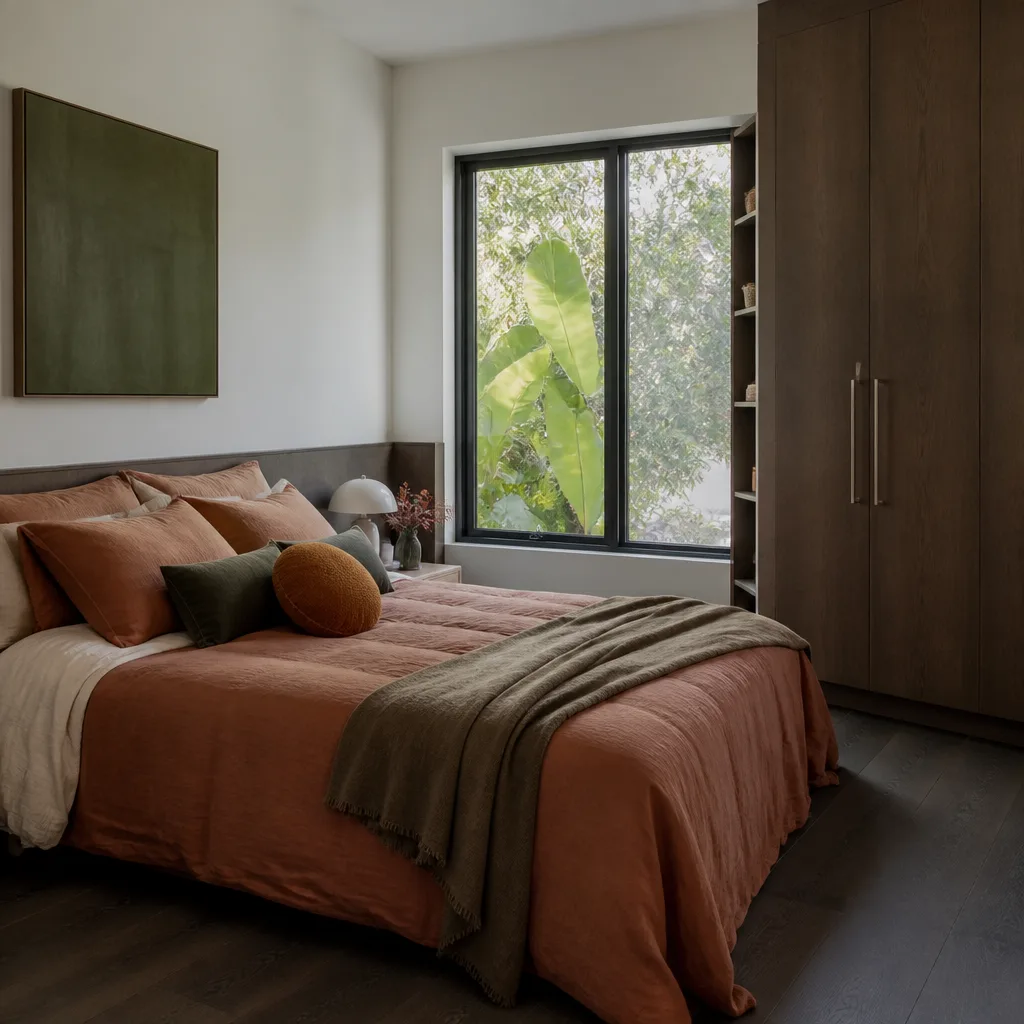
For a junior ADU conversion in Pasadena, expect the James Hardie siding portion of the project to land between $18,000 and $38,000, which includes removal of failed siding, repair or replacement of damaged sheathing, new flashing at all penetrations, primed or ColorPlus-matched James Hardie installation, and caulking and painting to blend with the existing structure. The overall junior ADU conversion, including the interior build-out, typically runs $90,000 to $160,000 in Pasadena depending on bathroom, kitchenette, and separate-entry requirements.
What drives the range: whether you’re matching ColorPlus factory finish (more expensive, better match) or painting primed board on-site (less expensive, slight color shift over time), how much sheathing needs replacement, and whether the existing wall is flat or has hidden framing irregularities that require furring strips. Every Seedling ADU Pasadena project gets a written price before any work starts, and the siding portion is covered by our 365-Day Done Right Promise. If the siding doesn’t hold up or the finish doesn’t match, we make it right.
DIY or Call Us?
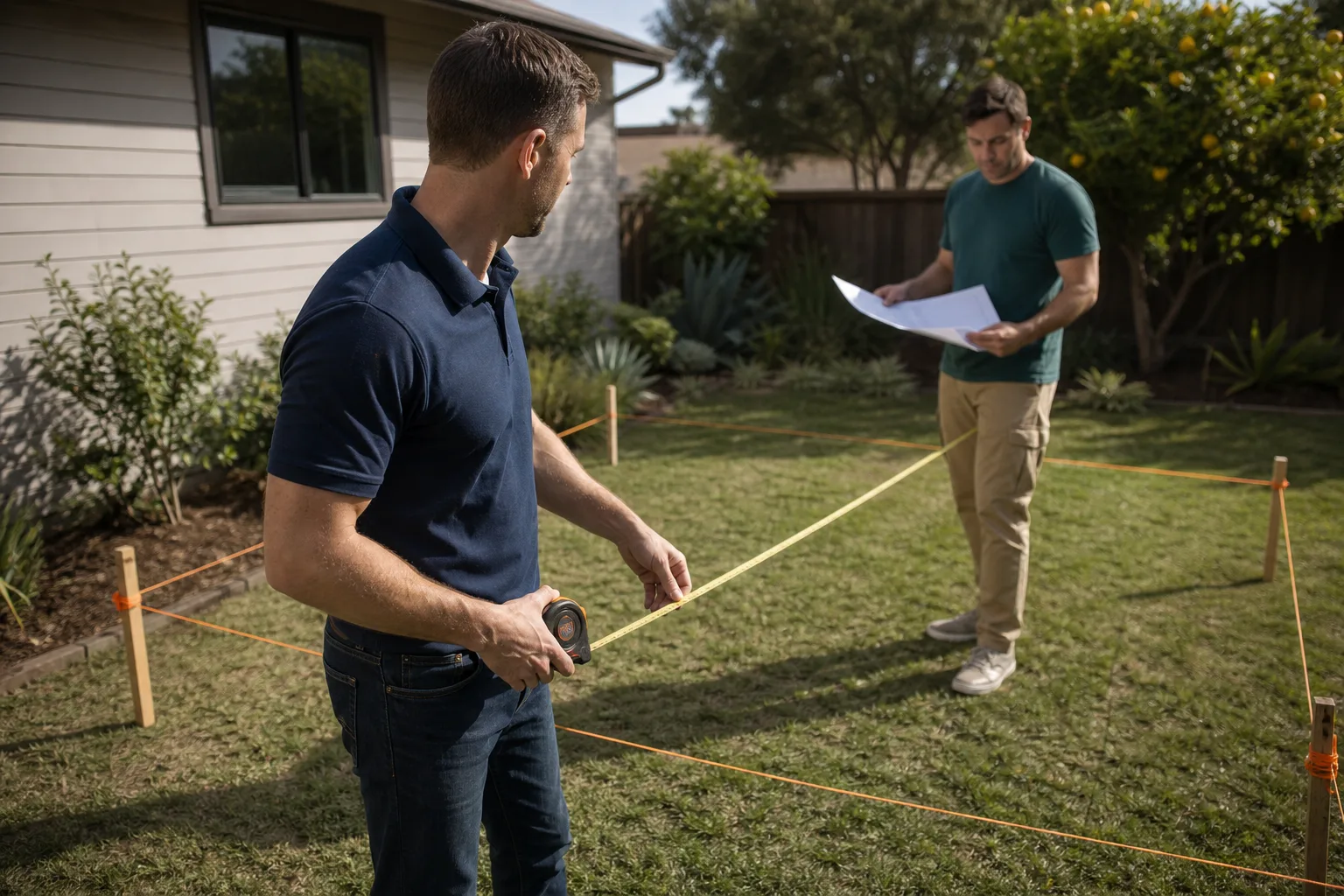
James Hardie siding assessment is something an owner can do safely: measure lap exposure, check for soft spots at the base course, look for gaps at window and door frames. What owners should not attempt on their own: removing fiber cement siding or cutting it. Silica dust from cutting James Hardie board is a respiratory hazard, and improper removal can tear away flashing that keeps the wall dry. You also need specific blade types and a HEPA-filtered saw to prevent silica from spreading through an attached garage or living space. The reframing and flashing needed for a junior ADU conversion has to meet Pasadena’s 2022 California Residential Code amendments, and a missed flashing detail means redoing the siding again in five years.
We’ve had Pasadena homeowners call after a handyman repair peeled within one season because the flashing wasn’t corrected underneath. If you’d rather have the wall opened, diagnosed, and closed properly, call (626) 657-5461 and we’ll walk the wall with you before anything is drawn up.
FAQs
James Hardie fiber cement siding lasts 30 to 50 years in Pasadena’s climate when installed with correct clearances, flashing, and paint or ColorPlus finish. The limiting factor is usually installation error at the base course or window penetrations, not the siding material itself.
Yes, if the rest of the wall is sound and we can match the profile and exposure. When the damage is isolated to one wall or a few boards, a repair is straightforward. When multiple penetrations show failed flashing or the boards are warping across the entire wall face, replacement becomes the more honest recommendation. Call (626) 657-5461 for an exact assessment – estimates are free.
For a typical one-wall reframe and siding replacement, expect three to five working days including flashing, installation, and painting. Full garage-to-ADU conversions with siding on multiple faces run two to three weeks. We protect the existing structure and the interior of your home throughout with drop cloths, shoe covers, and a clean-up photo before the crew leaves each day.
We keep the most common Pasadena profiles in stock: HardiePlank 5.25-inch lap in six colors, HardiePanel smooth sheets, and HardieSoffit. Less common profiles or specific ColorPlus matches are ordered from our Pasadena supplier, usually arriving in two to four business days.
If you’re planning a junior ADU conversion in Pasadena and want to know exactly what your James Hardie siding needs before you commit, call (626) 657-5461. Ben Ortega will meet you on-site, look at what the space actually allows before we decide what to build, and you’ll get a written price before any work begins.
Written by Ben Ortega, Owner, Seedling ADU Pasadena at Seedling ADU Pasadena, serving Pasadena and nearby areas.