Why Pasadena Homeowners Choose Dvele ADUs
We provide Pasadena Dvele service, specializing in installation, repair, and retrofit work on the 600, 1200, 1800, and 2400 Series panelized homes. Seedling ADU Pasadena is not a Dvele dealership and we’re not authorized by the manufacturer, which means we’re free to tell you exactly what’s wrong with your unit and what it costs to fix without a sales agenda attached to the answer. If you’ve got a Dvele ADU already on your lot or you’re weighing one against Abodu or Cover, call (626) 657-5461 and we’ll walk the site with you.
Dvele builds a genuinely different product than most prefab manufacturers. The panels arrive with wiring, plumbing chases, and insulation already integrated, and the envelope is designed to pass a blower door test that would embarrass most site-built homes. But that sophistication creates its own set of service realities. The gasketed panel joints need to be seated correctly or moisture finds a way in. The sensing panels that drive the HVAC zoning can drift after a Pasadena summer of brownouts and grid flicker. And integrating a Dvele unit onto an older Pasadena electrical service, which is most of what we see in the Craftsman-era neighborhoods, takes more thought than just bolting on a subpanel. That’s where our experience lives.
Ben Ortega founded Seedling ADU Pasadena after years of building and finishing ADUs across this city, including a number of jobs in Bungalow Heaven where the older lots and landmark review process require patient planning. Let’s look at what the space actually allows before we decide what to build. That line gets used a lot around here because it saves families from ordering a 2400 Series unit that won’t clear the hillside ordinance or a foundation spec that doesn’t match the soil on their street.
Why Trust Seedling ADU Pasadena for Your Dvele ADU?
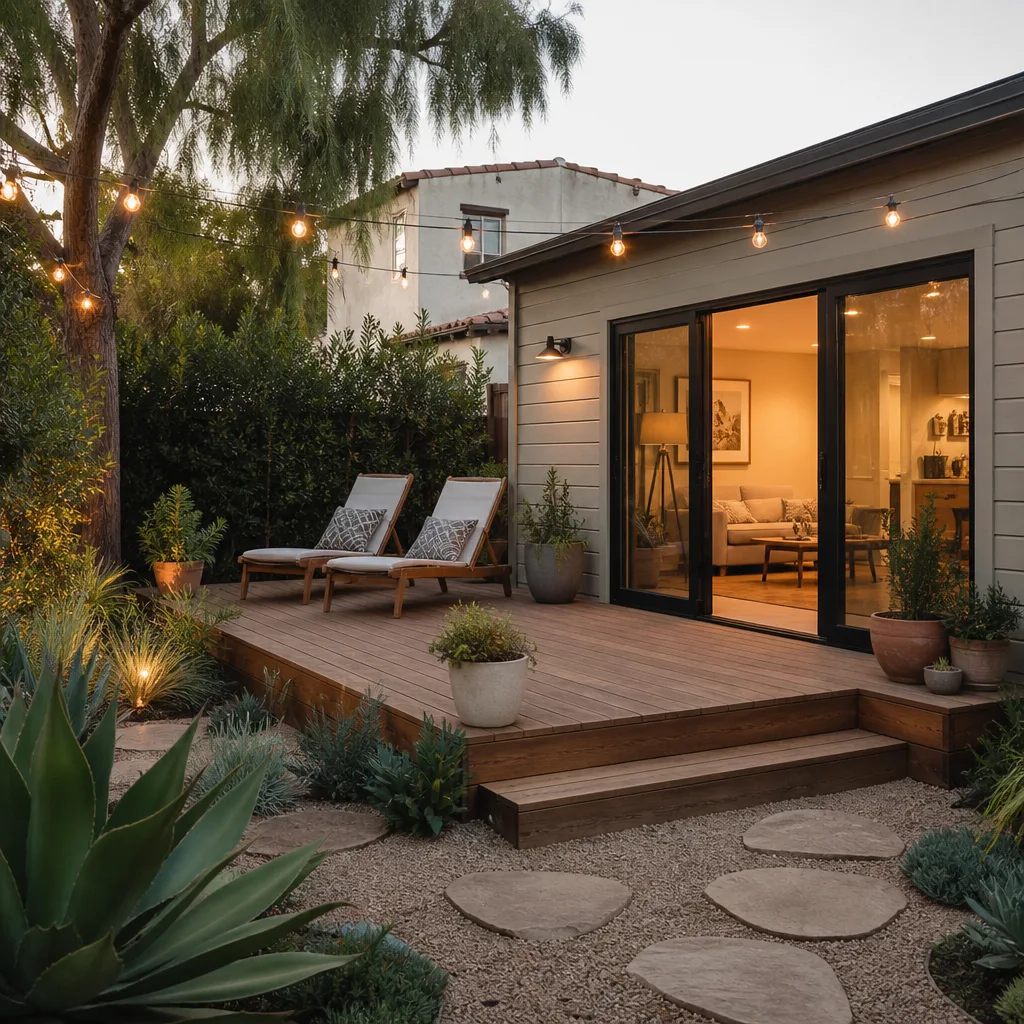
Dvele work is not general contracting with nicer materials. The panelized envelope, the integrated MEP rough-ins, and the blower-door targets demand a crew that has actually assembled and serviced these units, not one that’s watching the install video for the first time in your backyard. Our technicians have dry-fit Dvele kits on slab and raised foundations, re-keyed mismatched corner posts, replaced failed butyl gaskets, and recalibrated the HVAC sensing panels after power quality issues. We’ve seen the failure modes in real time and we know what causes them.
What Ben brings to every Dvele job is a habit of sitting down with the homeowner before anything is drawn up, walking through the numbers line by line, and not rushing the parts that matter. He trained in residential construction at Los Angeles Trade-Technical College and shifted fully into ADU work because smaller, more deliberate projects fit how he likes to build. He keeps a folder of floor plans on his phone from past Pasadena jobs and will pull it out mid-conversation to show you how a 1200 Series handled a tight side yard or how a gasket failure on an 1800 got caught before it became a wall cavity problem.
As an independent Dvele service provider, we’re not bound by a dealer agreement that tells us which parts to push. If a genuine Dvele-specified gasket or panel lock is what the envelope needs, we source it from a regional distributor. If the electrical integration is better served by a UL-listed aftermarket component that exceeds the original spec, we tell you that too. Either way, you get a written price before any work starts, and the 365-Day Done Right Promise covers the completed job in writing.
Common Dvele ADU Problems We Fix in Pasadena
- Moisture intrusion at panel-to-panel joints (all Series). Dvele’s envelope relies on butyl gaskets seated between panels during modular assembly. When a gasket gets pinched or mis-seated during the initial crane set, or when a panel shifts slightly on the foundation over the first few seasons, water tracks in. In Pasadena, the issue often shows up after the first heavy winter rain, not during the dry summer months. What you’ll see: staining at interior wall corners, a musty smell near the joint, or elevated humidity in that room. The fix is methodical: identify the joint, pull the interior finish enough to access the seam, and re-gasket the panel connection with fresh Dvele-specified butyl. This is not a caulk-and-paint situation. Caulking the exterior face without addressing the failed gasket just traps moisture inside the wall cavity.
- HVAC zone control inconsistencies (1200 and 1800 Series). Dvele’s proprietary sensing panel manages heating and cooling zones, and it’s sensitive to voltage fluctuations. Pasadena’s summer grid load can cause exactly the kind of brownout and flicker conditions that drift the sensor calibration. What you’ll see: one zone running cold while another barely responds, or temperature readings on the display that don’t match what your skin says. We’ve recalibrated enough of these to know the sequence to run and when a panel has drifted far enough that it should be replaced outright rather than tuned again.
- Electrical subpanel overheating when tied to older Pasadena service panels. Many Dvele ADUs get connected to a main panel that was installed when the house was built, often in the 1920s through 1950s. Undersized conductors between the main service and the Dvele subpanel cause heat at the connection points, especially when the ADU is running a mini-split, a washer/dryer stack, and an induction cooktop at the same time. What you’ll see: warm breaker faces, a faint hot-plastic smell near the subpanel, or breakers tripping on loads that should be fine. The fix may be as simple as upsizing the feeder conductors or as involved as replacing the existing main panel to support the new load. We’ll tell you which one you actually need.
- Condensation in wall cavities where Dvele’s vapor-open assembly meets an older building wrap. This happens on attached additions and garage-partition conversions where a Dvele wall assembly butts up against a conventional framed addition with old-school building paper. The vapor profiles of the two assemblies fight each other, and condensation forms inside the cavity during Pasadena’s cool, damp winter weeks. What you’ll see: paint bubbling along the transition wall, mold odor in that specific area, or damp drywall that doesn’t dry out. This is a detailing problem that should have been caught at the joint design stage, and it’s one of the most common issues we correct on retrofit projects.
- Foundation settling on Pasadena’s hillside lots (600 and 1200 Series most affected). Slope conditions in the hillside areas north of the 210 put unusual stress on pier-and-beam foundations. When footings are under-excavated or drainage isn’t managed at the upslope side, the foundation can shift, and a panelized Dvele unit transmits that movement through its panel joints. What you’ll see: doors that drag or stick seasonally, hairline cracks propagating from panel seams, or a visible gap at a corner joint. The fix starts with assessing the foundation, not the panels. Pasadena’s hillside ordinance can complicate foundation repair scope, so you want someone who has worked these lots before.
Dvele Parts & Our Repair-vs-Replace Approach
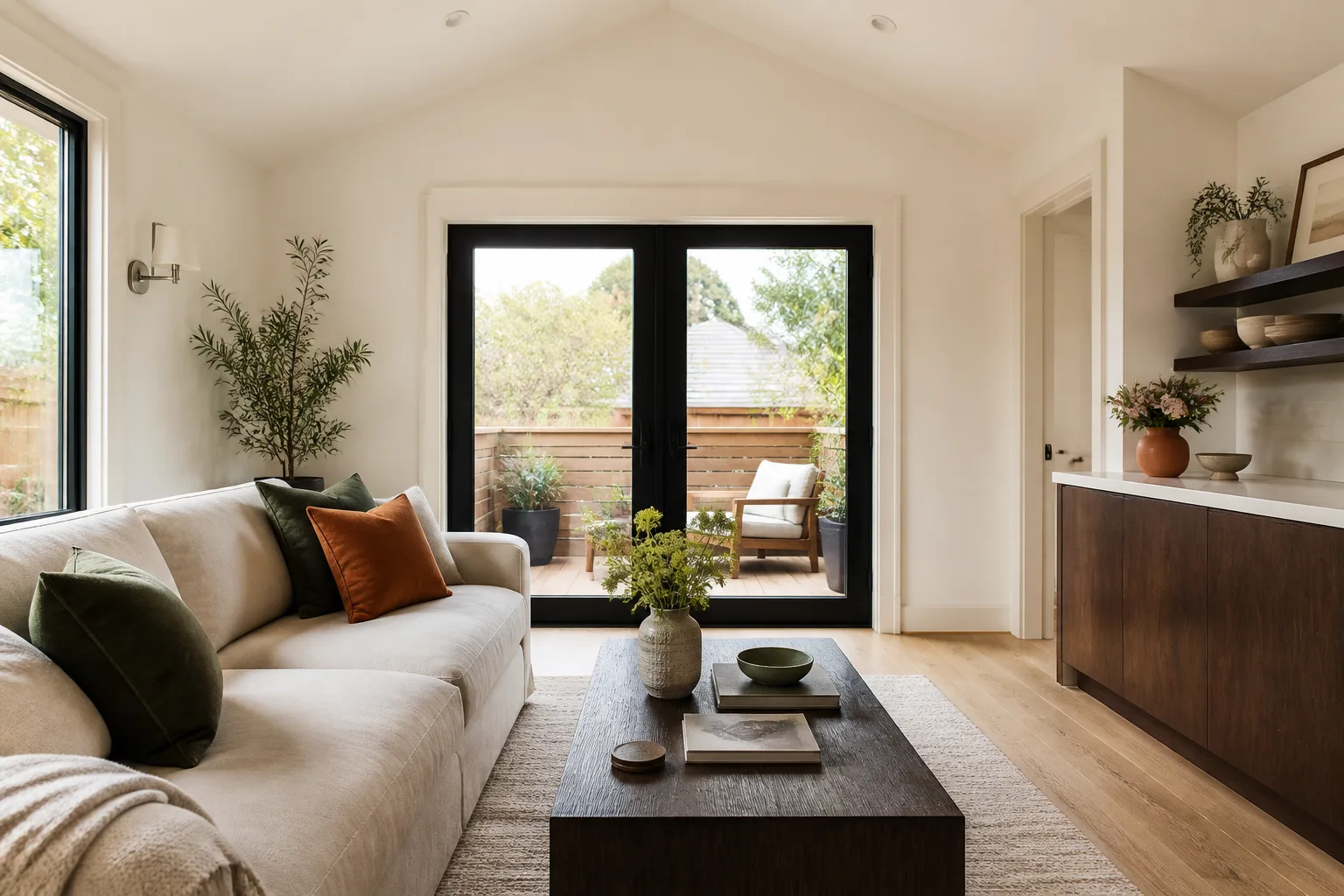
We prioritize genuine Dvele-specified components when the integrity of the building envelope is on the line. Panel locks, corner post keys, gaskets, and the proprietary fastening hardware are all places where aftermarket substitutions change how the wall assembly performs, and we won’t make that swap to save a few dollars. For electrical and plumbing integration work, we use UL-listed aftermarket parts that match or exceed the original Dvele spec. The subpanel, the feeder conductors, the PEX fittings, the drain assemblies: these are commodity systems inside a Dvele unit, and the right aftermarket part is often higher quality than what shipped in the kit.
The repair-versus-replace conversation is where we earn your trust. Most gasket failures, sensor recalibrations, and conductor upsize jobs are straight repairs. But when a structural panel’s laminate has delaminated, or when water has sat in a wall cavity long enough to compromise the panel’s shear rating, field remediation won’t restore it to a safe structural state. In that situation we tell you plainly: this panel needs to be replaced, here’s what it costs, here’s what the lead time looks like from a distributor. You’ll never hear us stretch a repair into a rebuild, and you’ll never hear us patch something that should be pulled out. If you’ve got a Dvele issue you’re not sure about, call (626) 657-5461 and describe what you’re seeing. We’ll tell you honestly what we think it is before we ever schedule a visit.
Our Dvele Service Process – Step by Step
- 1
Diagnosis and remote triage. When you call, we’ll ask targeted questions about your unit: which series, when it was set, whether you’ve noticed any staining, sticking doors, or electrical anomalies. Many Dvele issues have signature symptoms, and we can often narrow the problem before we arrive. You’ll know the diagnostic cost up front and what our visit will include.
- 2
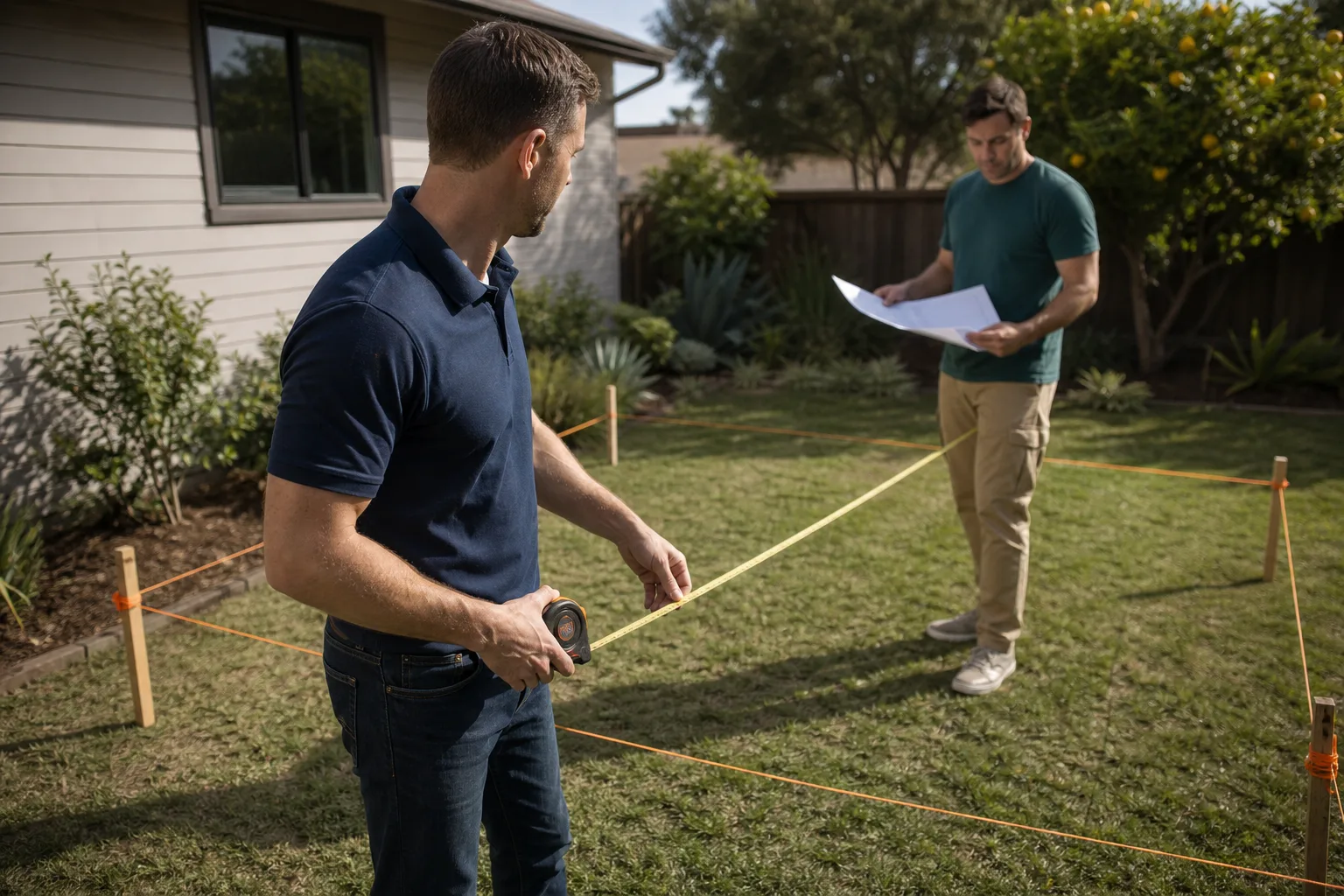
On-site assessment. We inspect the Dvele unit, including the panel joints, the foundation connection, the subpanel, and the sensing panel calibration. We run moisture probes where water intrusion is suspected, not just visual checks. If you’re adding onto or modifying an existing Dvele structure, this is the step where we measure and document what the current envelope is actually doing.
- 3
Written scope and price. Before any work starts, you receive a written price with the repair scope itemized. No line items appear later that weren’t in that document. The 365-Day Done Right Promise applies to the completed work, and we explain exactly what it covers.
- 4
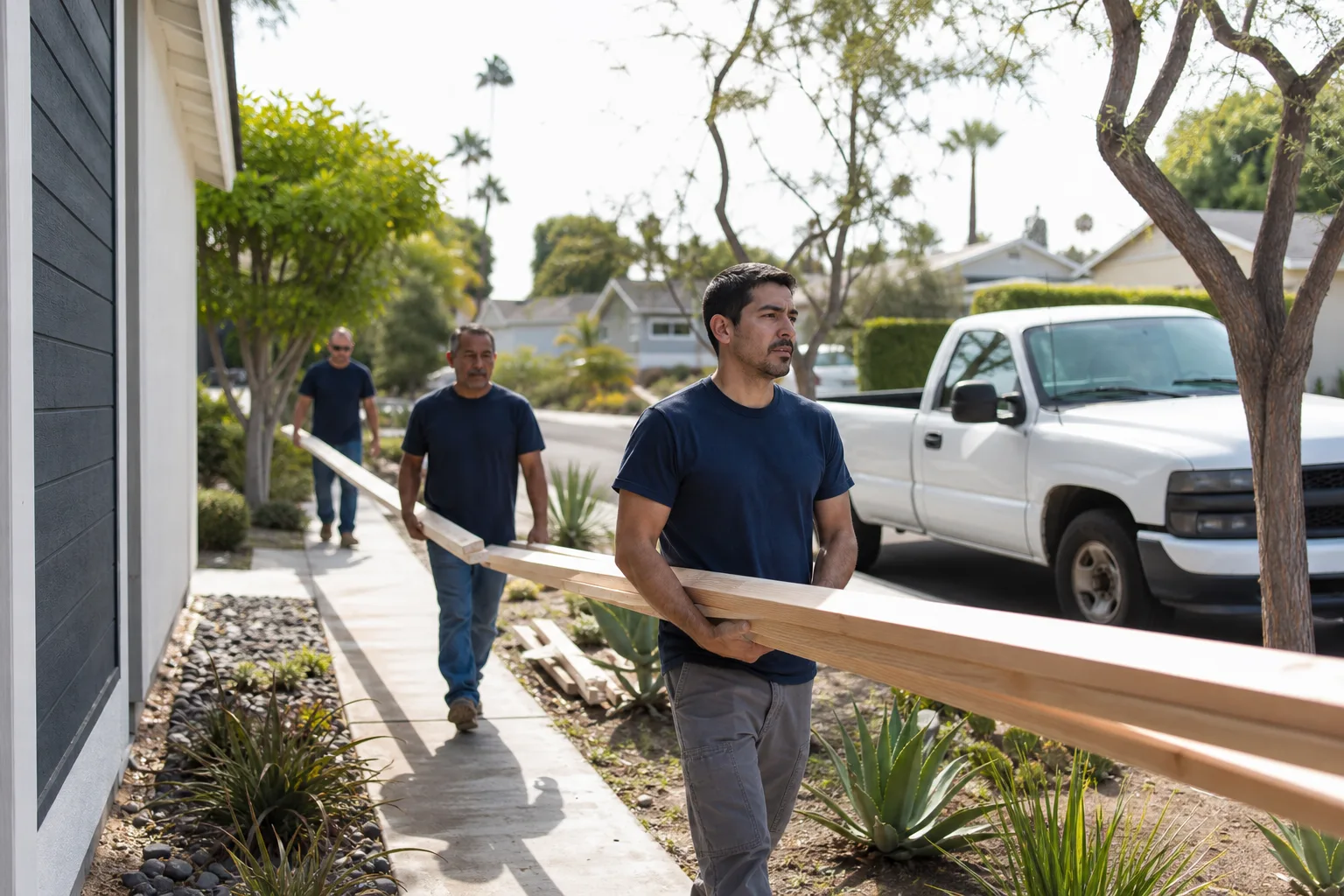
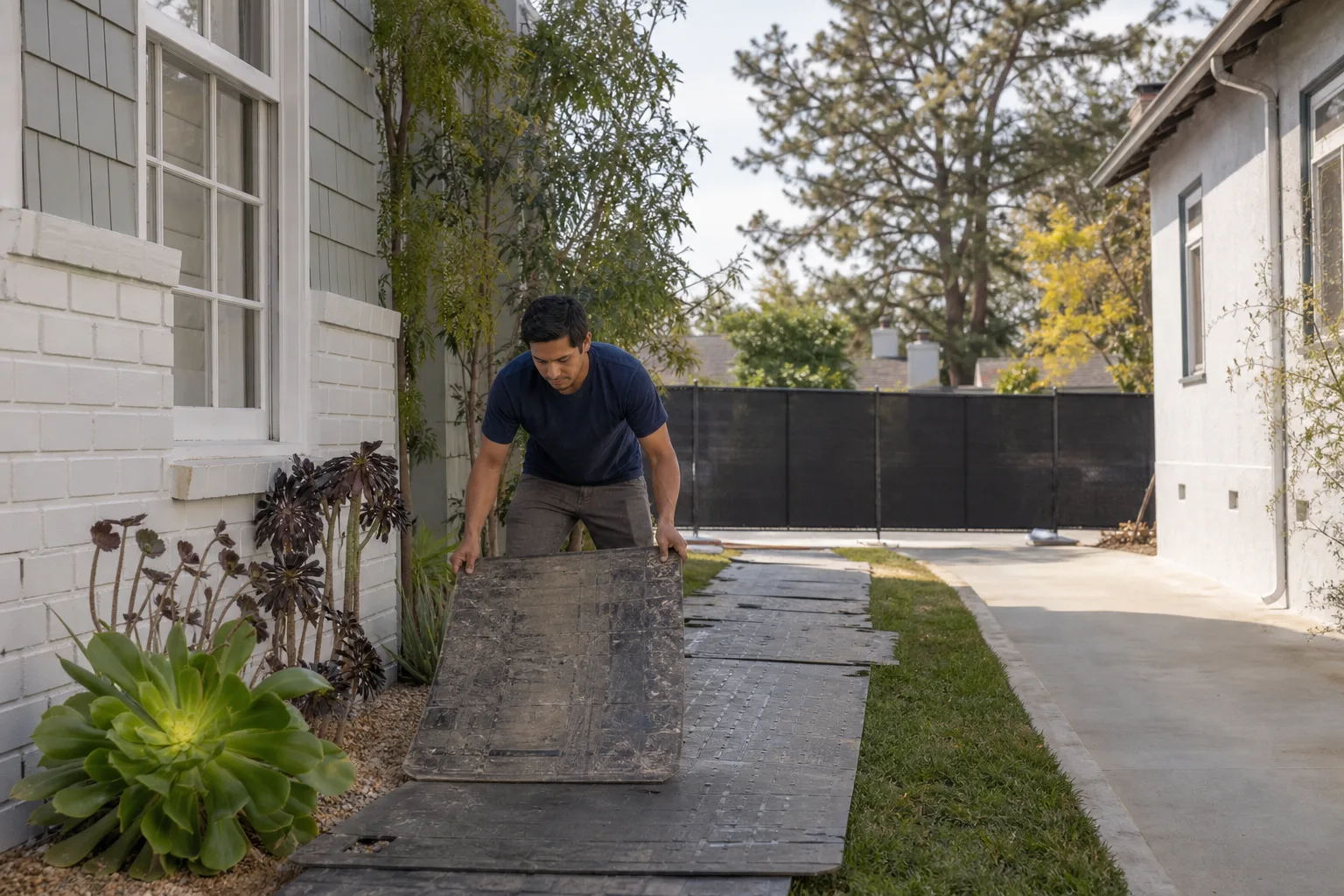
Repair or installation with clean work practices. The Cedarwell Care Promise is in effect on every visit: shoe covers and drop cloths inside the home, pet-safe products where there’s a choice, a photo of the clean-up before the crew leaves. If we’re working near bedrooms or during school hours, we use quiet tools and sequence the noisy work around your family’s schedule.
- 5
Testing and closeout. After repairs, we test everything: blower door verification on envelope work, circuit load checks on electrical, zone response on HVAC, hose-test on gasket seals. We don’t call a job done until the systems perform and the site is clean. You’ll get a written summary of what we found, what we did, and what we warrantied.
Dvele Products We Service & Install in Pasadena
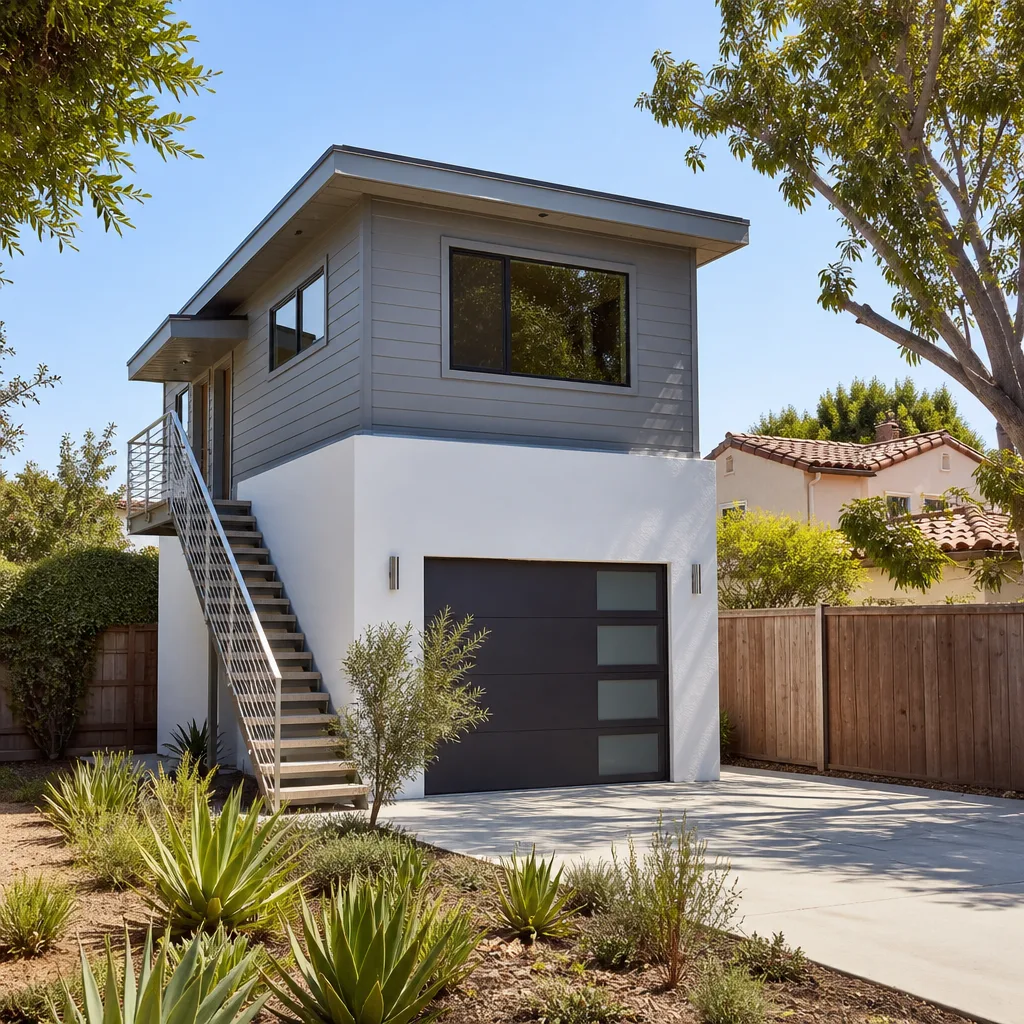
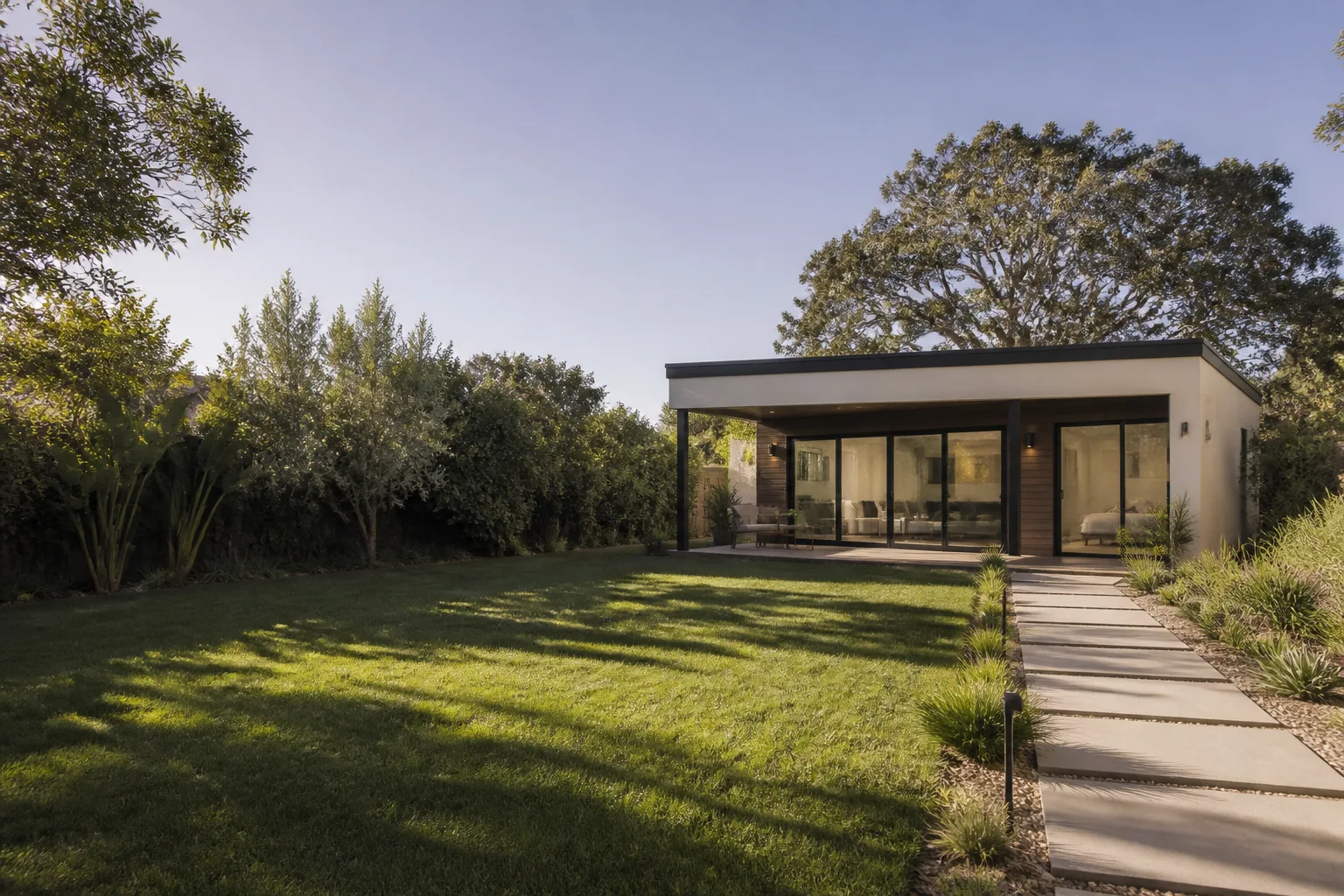
We work on all four Dvele series: the 600 Series studio units, the 1200 Series one-bedroom layouts, the 1800 Series two-bedroom homes, and the larger 2400 Series configurations. We also handle custom Dvele orders where homeowners have paired a base series with add-ons like garage partitions or bathroom additions. Our local familiarity covers the full range of Dvele panel types, locking systems, and foundation interfaces, including raised-floor and slab-on-grade sets. When a Dvele kit arrives with a mis-keyed part or a missing gasket, we know which regional distributors carry the correct components and how to get them quickly without derailing the project. That’s the difference between a crew that has assembled these units and one that’s reading the manual on site.
In Pasadena specifically, we’ve serviced Dvele units on flat Craftsman-era lots and on hillside parcels where the foundation work was more involved than the panel assembly itself. The city’s design review process and hillside ordinance shape what’s buildable, and our job is to make sure the Dvele unit you want actually fits the lot you have.
We Also Service These Brands
While this page focuses on Dvele, our Pasadena team also services and installs Abodu and Cover ADU systems. If you’re still choosing between prefab brands or you own a different unit and need local service, the same crew, pricing approach, and 365-Day Done Right Promise apply. We’re equally comfortable with all three product lines and we’ll help you compare them on their actual merits for your specific lot.
FAQs – Dvele ADU Service in Pasadena
Yes, but it depends on the specific brace and the condition of the existing garage structure. Pasadena enforces seismic retrofit requirements on many older attached garages, and adding a Dvele unit means the combined structure has to meet current code. We’ll evaluate the existing bracing, the foundation, and the connection details before recommending whether the garage can carry the ADU load or needs strengthening first. Call (626) 657-5461 and we’ll walk the garage with you and give you an honest read.
No. Pasadena has shallow frost depth requirements compared to colder climates, so the foundation specs for a Dvele unit here are driven by soil bearing capacity and seismic considerations rather than frost protection. The more significant variable on Pasadena lots, especially in the hillside areas, is soil stability and drainage. A foundation that’s adequate on paper can shift if water isn’t managed at the upslope side. We design foundation and drainage together, not as separate tasks.
Interior condensation after rain usually points to either a gasket failure at a panel joint allowing moisture into the cavity, or a vapor profile conflict where the Dvele wall assembly meets a conventional framed section. In a Pasadena winter with cool nights and damp air, either condition can show up as water beading or staining on interior drywall. The fix requires identifying the source and correcting the detail, not just treating the visible dampness. Call (626) 657-5461 and describe the pattern you’re seeing. We’ll give you a clear sense of what’s happening before we schedule a visit.
Yes, but the transition detail is where this goes wrong, and it’s one of the most common issues we correct on Pasadena retrofits. When a Dvele panelized assembly with its vapor-open design meets a conventional wall with older building paper or housewrap, the two assemblies can fight each other and trap condensation inside the wall cavity. The fix is a properly designed transition that handles the vapor profile change, plus careful flashing and gasket work at the joint. This is detailing work, not simple framing, and it’s exactly the kind of thing a Home Addition Contractor with panelized experience handles on existing Pasadena retrofits.
Title 24 requires that new ADUs in Pasadena meet energy efficiency standards, which for most Dvele studio units means either on-site solar generation or, more commonly, a battery system paired with the unit’s existing HVAC and appliance loads. The specific requirement depends on the size of the unit, the orientation of the lot, and the existing electrical service. A 600 Series studio has different Title 24 obligations than a 2400 Series two-bedroom, and Pasadena’s utility interconnection rules add another layer. We’ll map the exact requirement for your unit and your lot, and include it in the written price before you commit to anything. Call (626) 657-5461 for a detailed breakdown.
A Dvele ADU project in Pasadena typically runs from $160,000 to $320,000 depending on the series, the condition of the existing service panel, and how much foundation and site work the specific lot demands. That range reflects the unit itself, the foundation, the site utility connections, the Title 24 solar or battery compliance, and all permitting. A hillside lot north of the 210 with poor drainage or difficult access will push toward the higher end; a flat Bungalow Heaven lot with a recent electrical panel will come in lower. We provide a written line-item price before any work starts, so you’ll know exactly what the project costs on your lot. Call (626) 657-5461 to schedule a free estimate and we’ll put real numbers on paper for you.
Book Your Dvele Service in Pasadena, CA
If you’re dealing with a Dvele ADU issue or planning a new installation in Pasadena, call us at (626) 657-5461. We’ll answer, listen, and schedule a time to look at your unit. Free estimates, written prices, and a crew that leaves your property cleaner than we found it.
Written by Ben Ortega, Owner at Seedling ADU Pasadena, serving Pasadena since the company’s first local build.